7 Trail Camera Tips That Will Make You a Better Turkey Hunter
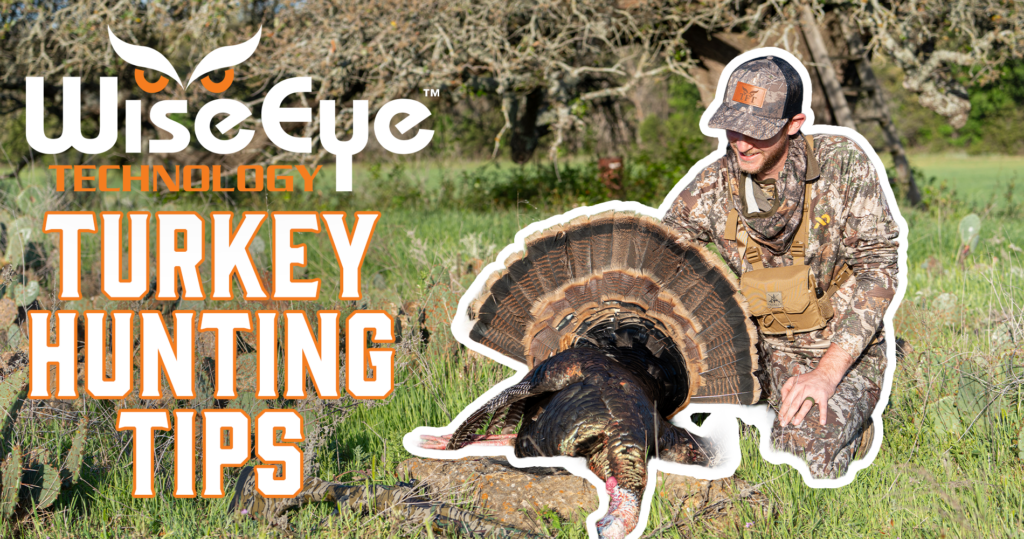
Successful turkey hunters don’t rely on luck—they rely on information. Trail cameras have become one of the most valuable scouting tools available, allowing hunters to study turkey movement, identify gobbler behavior, and locate the areas birds use most often.
However, using trail cameras for turkeys requires a slightly different approach than scouting deer. Turkeys spend more time in open areas, often travel in groups, and can easily pass through a camera’s detection zone without triggering it.
By adjusting how and where you deploy your cameras, you can gather far more useful information before the season even begins. Here are seven trail camera tips and tricks that can help you better understand turkey behavior and improve your chances of success this spring.
1. Focus on Strut Zones and Travel Corridors
Turkeys tend to use the same types of areas repeatedly during the spring breeding season. Gobblers often prefer open areas where they can strut and display for hens, while hens travel along predictable routes between feeding and nesting areas.
Trail cameras are particularly effective when placed along:
- Field edges and corners
- Logging roads
- Ridge tops
- Fencerows
- Creek crossings
- Open hardwood flats
These areas act as natural travel corridors where turkeys move between roosting areas and feeding locations.
Strut zones are especially valuable spots to monitor. These are typically open, sunny areas where gobblers display and attempt to attract hens. If your cameras begin capturing repeated strutting activity in the same location, it may be a prime location for setting up during the season.
2. Monitor Hens to Predict Gobbler Movement
During spring, hens largely determine where gobblers spend their time. When hens move to new feeding areas or nesting sites, gobblers often follow.
Data cameras can reveal several key changes in hen behavior, including:
- When hens begin nesting
- When hens start traveling alone
- When poults begin appearing later in the season
These shifts often signal changes in gobbler activity. For example, when hens begin nesting and are no longer constantly with gobblers, toms may become more responsive to calling.
Watching hen movements on trail cameras can provide valuable clues about when gobblers are most likely to be searching for hens.
3. Locate Roost Sites and Watch Fly-Down Direction
Finding a turkey roost is valuable, but the real advantage comes from knowing where birds go after they leave the roost in the morning.
Turkeys often roost in large, mature trees such as oaks, pines, and cottonwoods. They typically choose locations that provide nearby open areas where they can safely fly down. They favor trees near water sources or on ridges with clear understory free of bushes/heavy vegetation.
Placing cameras near these landing zones can reveal the direction birds travel after leaving the roost. This information is extremely helpful when planning morning setups, as it allows hunters to position themselves along the birds’ natural travel route rather than guessing where they might go.
4. Adjust Camera Placement and Height Based on Terrain
Camera placement is one of the most important factors when scouting turkeys. Because turkeys are smaller than deer and often travel in groups, positioning your camera at the right height can dramatically improve your results.
In tight areas such as dense woods, trails, logging roads, and travel corridors, mounting cameras 2–3 feet above the ground often produces the best footage. This eye-level angle captures birds clearly as they walk past and helps identify individual gobblers. In contrast, when monitoring larger more open areas, placing cameras higher 5-6 feet allows you to cover more ground. Angling the camera downward provides a wider field of view and increases the chance of capturing birds feeding or strutting farther away.
Food sources are also excellent camera locations. Turkeys frequently feed on:
- Waste grain in agricultural fields
- Fresh spring greens such as clover and alfalfa
- Remaining mast like acorns or beech nuts
- Areas rich with insects
Setting cameras near these food sources often reveals the times of day turkeys visit regularly. Another advantage of trail cameras is their ability to capture predator activity. Coyotes, bobcats, raccoons, and other predators can significantly affect turkey movement. If your cameras begin showing frequent predator activity, turkeys may temporarily avoid that area.
Understanding both turkey movement and predator pressure can help determine when and where birds are most likely to appear.
5. Use Time-Lapse Mode to Monitor Large Fields
When scouting large, open areas such as agricultural fields or pastures, While WiseEye cameras have incredible detection range motion sensors may not capture every bird. Turkeys can feed or travel hundreds of yards away from a camera and never trigger it.
That’s where time-lapse becomes extremely useful.
This feature allows the camera to take photos at set intervals regardless of motion. Setting your camera to take a photo every 10–15 minutes between 6 a.m. and Dusk. LDWF Private lands Biologist Supervisor Brandon Stafford recommends using a camera’s work-timer feature to limit time-lapse photos to daylight hours.
“Turkeys are active during daylight, so there’s no need to burn battery life or cellular data taking photos after dark. Setting your camera to run only during the day lets you capture the movement that matters while conserving power and storage.”
Using this setup helps reduce unnecessary images while still capturing the information you need to understand turkey behavior.
Time-lapse photos help you determine:
- Where birds are entering and exiting fields
- How long flocks remain in certain areas
- What times of day birds prefer to feed
- Whether gobblers are strutting in specific parts of the field
After several days of images, patterns usually begin to emerge. Once you identify consistent travel routes or feeding locations, you can move your cameras closer to those areas to gather more detailed footage or keep them as is so not to disrupt their patterns.
6. Use Video Mode to Learn Turkey Behavior
Photos are useful for confirming turkey presence, but video mode reveals behavior—and behavior is what helps hunters make better decisions in the field. Short clips of 15-30 seconds or pulling up live stream can show things that photos often miss, including:
- Which gobbler is the dominant bird in a flock
- How gobblers interact with hens and other toms
- Whether birds are traveling or feeding
- The direction birds are moving
For example, a still photo might show a single gobbler walking past the camera. A video clip, however, may reveal that the bird is actually trailing several hens or following another tom. Understanding these dynamics can help determine the most effective calling and decoy strategies. A dominant gobbler may respond well to aggressive tactics, while a more cautious bird may require a subtle approach. Video footage can also show how long turkeys spend in a specific area and whether they return to that location regularly.
7. Use Multiple Cameras to Cover More Ground
Running multiple cameras in the same area can dramatically improve your understanding of turkey movement.
One useful technique is placing two cameras on the same tree facing opposite directions. This setup ensures that birds traveling along a trail or corridor are captured regardless of which direction they approach from. Using several cameras across a property can also help identify which areas are most active. If one location shows little activity, those cameras can easily be moved to new spots.
Over time, this approach helps build a clearer picture of how turkeys move across the landscape and which locations consistently hold birds.
Using HuntControl to help predict turkey patterns
After reading each of these sections you may be thinking that this is a lot to track and keep up with but I got good news for you. One of the most powerful tools for scouting turkeys with WiseEye cameras is the tagging and prediction system inside the HuntControl app. HuntControl’s forecasts and predictions are built from your actual WiseEye camera data using our software inside the app.
That means the predictions aren’t guesses, they are based on the real movement patterns happening on your property. HuntControl will automatically label turkey photos inside the app, HuntControl begins building a data set that can help reveal when birds are most active and how their movement changes over time. Every time it tags a turkey photo in HuntControl, the system logs important details such as:
- Time of day
- Weather conditions
- Temperature and barometric pressure
- Location of the camera
- Frequency of sightings and more
Over time, this information allows the app to identify patterns in turkey activity. You may discover that gobblers consistently appear in a certain field mid-morning, or that hens frequently pass a travel corridor just after sunrise. These insights can help you determine when and where to set up before the hunt even begins. What if you are tracking 1 specific gobbler? You can manually tag that gobbler every time it appears (the more you tag it the more accurate your data will be) and by doing that you can create a special profile/prediction for that 1 gobbler. This will give you the best chance of laying down your target bird.
Final Thoughts
Data cameras have become an essential scouting tool for turkey hunters. When used strategically, they provide valuable insights into turkey behavior, movement patterns, and preferred habitat.
By combining time-lapse monitoring, video footage, and thoughtful camera placement, hunters can gather a wealth of information from the HuntControl app before the season begins. The more you learn from your cameras ahead of time, the more confident and successful you can be when opening morning arrives.
Related Articles
Use HuntControl with ANY Trail Camera